
The Allure of Gambling: Understanding Motivations
The psychology of gamblers in casinos begins with a variety of motivations that draw individuals into gaming environments. For many, it is the thrill of risk-taking that provides excitement and engagement. While financial gain is a primary driver, social motivations also play a significant role. Players seeking quick returns may consider options like casino fast withdrawal uk to enhance their experience. The camaraderie and competition among peers can enhance the gambling experience, making it more appealing. These diverse motivations significantly shape how individuals perceive and engage in gambling activities, creating a complex emotional landscape.
Moreover, the psychological concept of the “near-miss” is pivotal in influencing gambling behavior. When players experience a close call, like nearly hitting a jackpot on a slot machine, it can evoke feelings of hope and anticipation. This sensation often leads to continued play, as individuals feel they are on the cusp of success, thus reinforcing their desire to keep engaging with the game. The interplay of emotional highs and lows can sustain a gambler’s involvement for extended periods, creating cycles of hope and disappointment.
Environmental factors in casinos also enhance the allure of gambling. The use of vibrant colors, the sounds of winning, and enticing scents are all strategically designed to create an immersive experience. These sensory elements not only attract players but also alter their psychological states, encouraging them to remain in the gaming zone longer. The combination of personal motivations and these captivating environments forms a potent mix that can deeply affect the gambling psychology of individuals, often leading them to make impulsive decisions.
The Role of Cognitive Biases in Gambling
Cognitive biases are systematic patterns of deviation from norm or rationality in judgment and play an essential role in gambling behavior. One prevalent bias among gamblers is the illusion of control, where individuals believe they can influence the outcomes of games of chance. For instance, a player may think that their choices or strategies can affect the results of a dice roll or a card draw. This false sense of security can lead to increased betting and exacerbate risky behaviors, resulting in erroneous decision-making during gambling.
The gamblers’ fallacy is another significant cognitive bias that affects players. This bias leads individuals to believe that past events can influence future outcomes in random processes. For example, if a particular number hasn’t come up in a roulette game for several spins, a player might assume that it is “due” to appear. This misjudgment can lead to poor betting strategies, as players often place higher bets on outcomes they mistakenly believe are more likely to occur, ultimately complicating their gambling experience.

Understanding these cognitive biases is crucial for grasping the psychology of gamblers and highlights the importance of responsible gambling. Awareness of such biases can empower individuals to make more rational decisions and potentially mitigate the risks of gambling addiction and financial loss. Education about these mental traps can be beneficial for players, helping them recognize harmful thought patterns and approach gambling with a more informed mindset.
The Impact of Emotions on Gambling Decisions
Emotions significantly influence gambling decisions, shaping how players approach betting and risk-taking. Many gamblers experience an exhilarating rush that accompanies winning, which drives them to repeat behaviors in pursuit of that high. This emotional rollercoaster creates a cycle of exhilaration and disappointment, potentially fostering addiction. The interplay between positive and negative emotions skews rational decision-making, often resulting in impulsive bets driven by the desire to recapture the winning feeling.
Conversely, negative emotions such as stress, anxiety, or depression can also have a profound impact on gambling behavior. Individuals may turn to gambling as an escape or coping mechanism when dealing with life’s challenges, leading to a dangerous spiral where gambling becomes a primary source of emotional relief. This dependency on gambling for comfort can result in destructive behaviors and negative outcomes, highlighting the need for individuals to understand their emotional triggers and seek healthier coping strategies.
Moreover, casinos are designed to amplify emotional responses, creating a unique atmosphere that can be both enticing and damaging. The excitement of a winning streak is often celebrated with cheers, further heightening the gambler’s emotional experience. Conversely, losses can be met with silence or disappointment, creating a stark contrast that may affect a player’s mental state. Recognizing these emotional influences can assist gamblers in navigating their experiences more responsibly and making more thoughtful decisions.
The Social Dimensions of Gambling
Gambling often serves as a social activity, with many individuals enjoying the communal aspects of casinos. The presence of others intensifies enjoyment, as players engage in conversations, share experiences, and even collaborate in games. This social dimension serves as an important motivator, where bonds formed through gambling contribute to a sense of belonging and community. For many, the casino is not just a venue for gambling; it also functions as a hub for social interaction and entertainment, enhancing the overall experience.
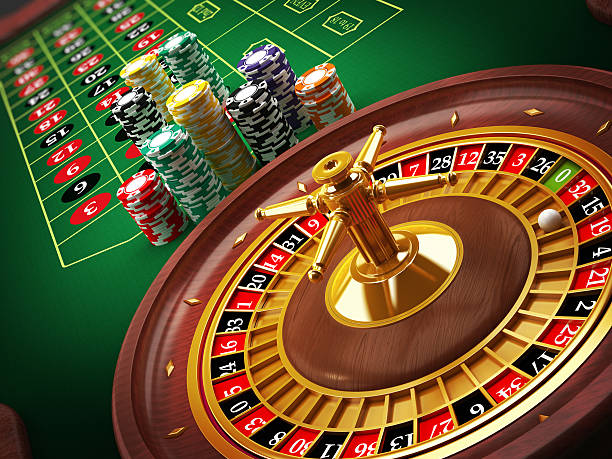
However, the social environment can also pose risks. Peer pressure in gambling settings can encourage individuals to engage in behaviors they might otherwise avoid. Observing others win can prompt players to take larger risks, believing that they too can achieve similar results. This dynamic can lead to higher stakes gambling, which may not align with an individual’s financial capacity or risk tolerance, ultimately resulting in negative consequences. Understanding the social influences at play is crucial for recognizing how they can impact personal gambling behavior.
Furthermore, the rise of online gambling has transformed the social landscape. Virtual platforms allow players to engage with others from around the globe, resulting in the creation of new social norms and behaviors. While online communities can provide a support network, they can also facilitate harmful gambling behaviors through anonymity and reduced accountability. Recognizing these shifts in social dynamics is vital for comprehending the broader implications of gambling psychology in both physical and digital contexts.
Resources for Responsible Gambling
As the complexities of gambling psychology become more apparent, the need for resources promoting responsible gambling grows. Many organizations and websites offer educational materials aimed at raising awareness about the risks associated with gambling and the psychological factors that influence behavior. These platforms provide valuable insights into cognitive biases, emotional management, and social influences affecting gambling decisions, empowering individuals to make informed choices and engage in healthier gambling practices.
Moreover, many casinos and online gambling sites are increasingly incorporating features to promote responsible gambling. These may include self-exclusion options, deposit limits, and access to support resources for those who may need help. By prioritizing education and responsible practices, the gambling industry can play a significant role in mitigating the negative impacts associated with problematic gambling behavior, ensuring that players have the tools necessary to gamble safely.
Ultimately, fostering a culture of awareness and responsibility within the gambling community can lead to healthier relationships with gambling. Providing individuals with the tools they need to understand their motivations and behaviors allows them to enjoy gambling as a form of entertainment rather than a potential source of harm. Engaging with reputable resources can ensure that players are equipped to navigate the complexities of their gambling experiences safely and responsibly, promoting a more positive approach to gaming.